2026 Hurricane Season Travel Safety and Insurance Guide
Rain starts sideways in San Juan, your departure board flips from On Time to Delayed, and suddenly everyone at Gate C7 is checking weather maps. If you are planning a Caribbean, Gulf Coast, or Atlantic trip, hurricane season travel is not a reason to cancel your plans. It is a reason to plan better.
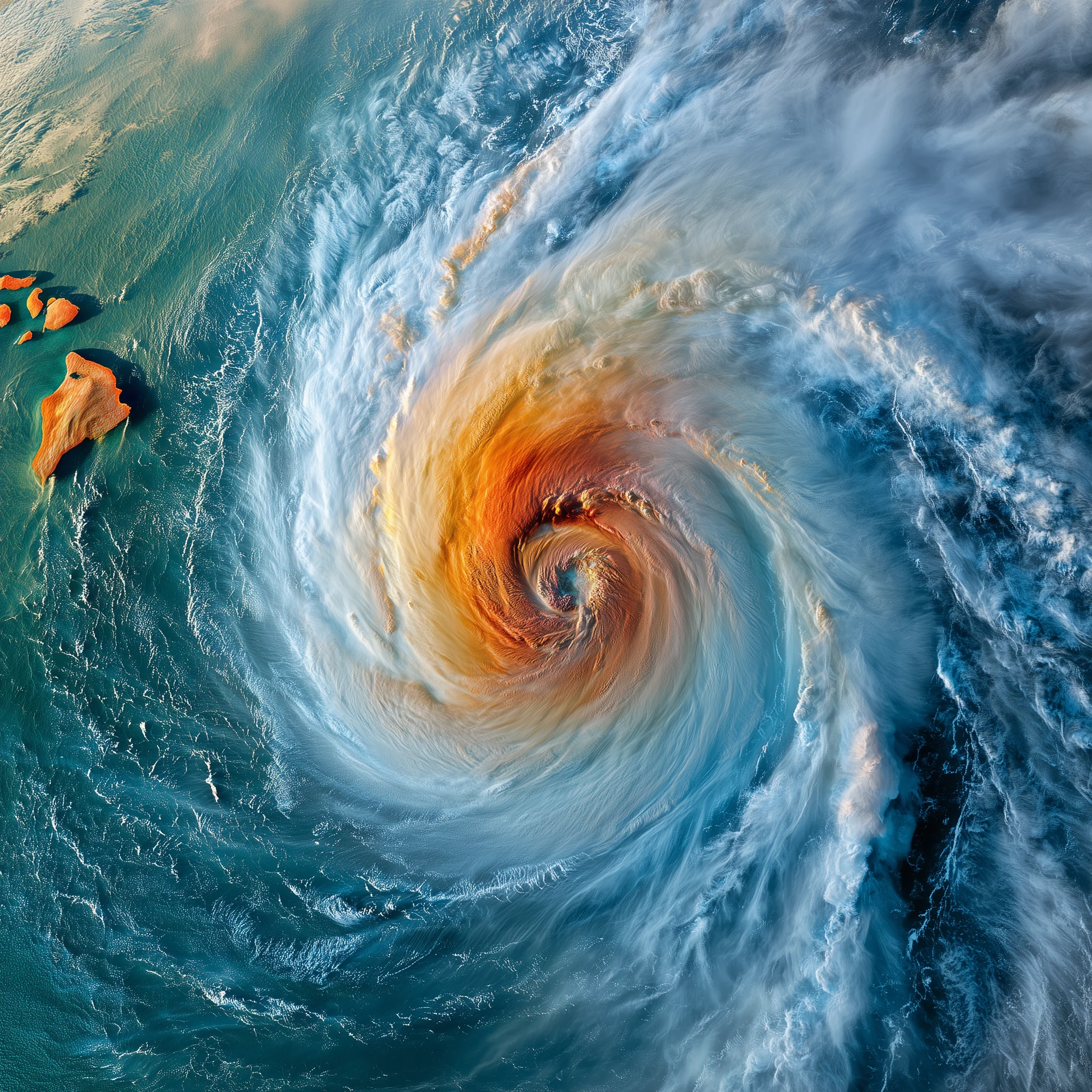
The 2026 Atlantic hurricane season runs from June 1 to November 30. Forecasts shift through the season, but one thing does not: travelers who prepare early usually keep more options, spend less, and recover faster when flights, ferries, or hotels are disrupted.
This guide breaks down what to expect, where risk usually peaks, how to book smarter, and what to know about travel insurance before storms are named.
What 2026 hurricane season means for travelers
Atlantic hurricanes affect more than beach vacations. They also ripple into:
- Flight schedules through major hubs like Miami, Houston, Atlanta, and New York
- Cruise embarkation ports including Miami, Port Canaveral, Galveston, and San Juan
- Ferry services in island destinations
- Hotel operations, power availability, and road access
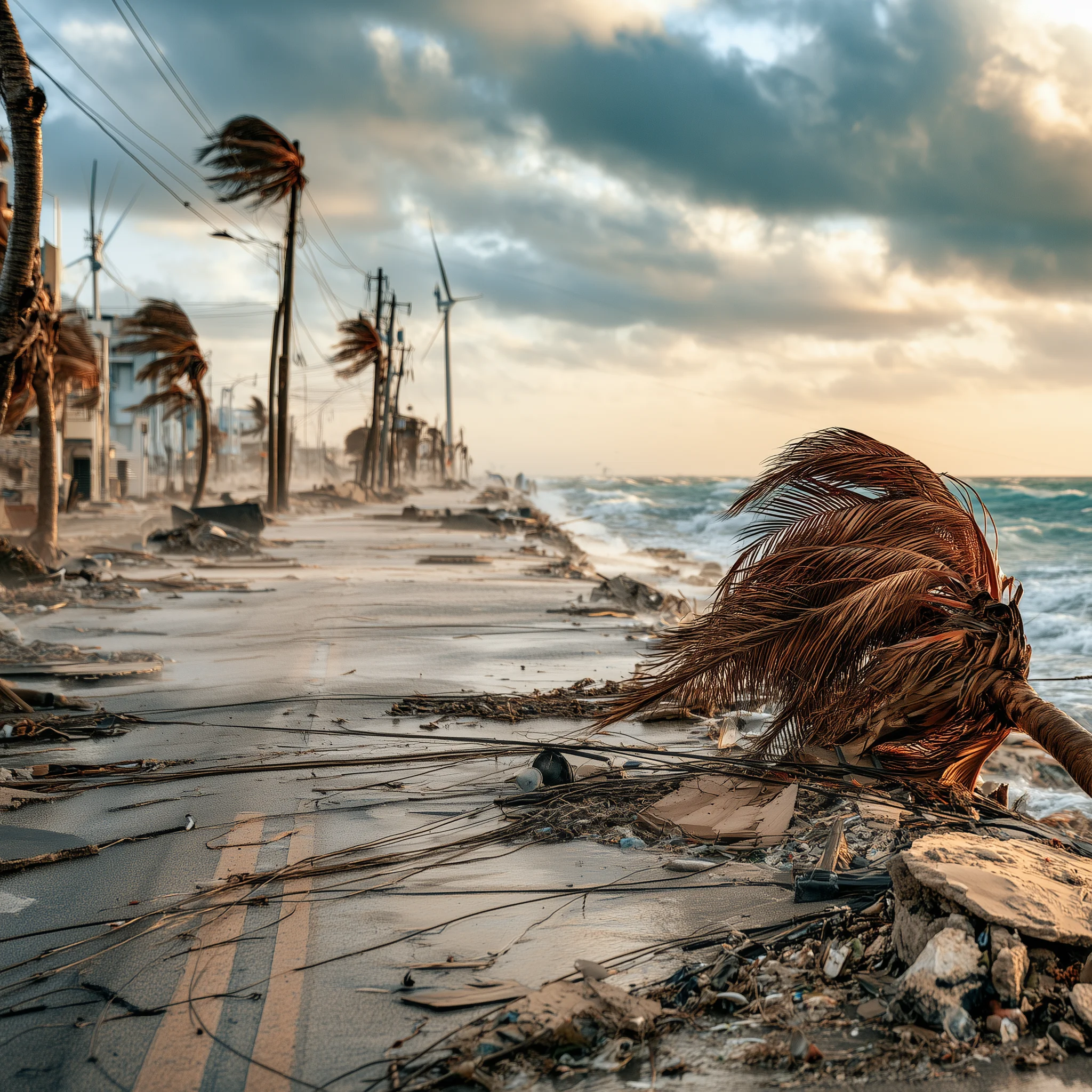
Storm impacts are often regional, not basin-wide. A system threatening Cancun may leave Barbados untouched. Another can skirt the Caribbean and still snarl East Coast aviation.
Your practical takeaway: plan for disruptions, not doom. Most trips still happen. The right backup plans determine whether your trip remains enjoyable.
Where and when risk is usually highest
No two years are identical, but historical patterns still help.
Typical timing
- June to July: early-season storms, often in the Gulf of Mexico or western Caribbean
- August to October: historical peak for stronger systems
- Late October to November: risk gradually tapers, but dangerous storms can still form
Areas that often see travel disruption
- Florida and U.S. Gulf Coast cities from Corpus Christi to Tampa
- Northern Caribbean islands, including Puerto Rico and the Dominican Republic
- Yucatan Peninsula and western Caribbean cruise routes
- Atlantic-facing coasts where airports serve as regional connectors
A key mistake travelers make is focusing only on the destination weather. Your connection city can be the single point of failure.
Booking strategy that gives you room to move
If you remember one section, make it this one.
1) Prioritize flexible airfares and refundable rooms
Basic economy may save money upfront, but strict change rules can hurt when schedules unravel. Choose fares that allow same-day changes or credits.
For accommodations, check:
- Hurricane clauses
- Refund windows
- Rebooking options after government evacuation orders
2) Avoid brittle itineraries
Leave buffer time between international arrival and cruise departure. Avoid one-night “must-make” transitions during peak risk months.
3) Book key pieces on a credit card with strong travel protections
Card protections vary widely. Review coverage limits, covered reasons, and documentation requirements before relying on them.
4) Buy travel insurance early
Insurance is most useful when purchased soon after your first trip payment. Waiting until storms are in headlines can reduce coverage options for weather-related disruption.
If you are comparing plans, Sitata’s overview of policy basics is a good starting point: /en/about-insurance.
What travel insurance may cover during hurricane season
Coverage varies by policy and jurisdiction, but these are common areas travelers ask about.
Trip cancellation
May apply when a covered weather event makes your destination uninhabitable, your common carrier stops service, or authorities issue qualifying evacuation orders.
Trip interruption
Can help with unused prepaid costs and additional transport when you need to leave early or reroute.
Travel delay
May reimburse meals, accommodation, and essential expenses when your trip is delayed for a covered reason beyond the policy waiting period.
Emergency assistance
Support teams can help coordinate alternative routes, provider contacts, and documentation steps when you are dealing with fast-moving disruptions.
Sitata’s travel tools and alerts page gives a practical overview of traveler support features: /en/products.
What travel insurance usually does not cover
Travelers get caught here every season, so be direct:
- Buying insurance after a storm is foreseeable and expecting retroactive protection
- Cancelling “just in case” without a covered trigger
- Supplier penalties excluded under your selected plan terms
- Known-event restrictions specific to your policy wording
Policy language matters. Read definitions for “foreseeable event,” “covered reason,” and “common carrier.”
Real disruption patterns travelers saw in recent seasons
Travel disruption usually follows predictable patterns even when storm tracks differ.
Pattern 1: Airport bottlenecks before landfall
When major airports like Miami or Houston trim schedules, rebooking inventory can disappear quickly. Travelers who wait until day-of often face multi-day delays.
Pattern 2: Cruise itinerary swaps
Cruise lines frequently adjust ports to avoid dangerous seas. You may still sail, but your planned islands can change.
Pattern 3: Hotel power and staffing constraints
Properties outside direct landfall zones may still face generator use, reduced services, or road access issues due to regional infrastructure strain.
Pattern 4: Cascading connection failures
A cancelled first leg can collapse onward flights, hotels, and tours. One disruption can create five separate claims or refund requests.
A pre-trip checklist for hurricane season travel
Use this one week before departure.
- Check airline waiver pages for your routes and dates.
- Confirm accommodation policies in writing.
- Save local emergency numbers and your country’s consular contact details.
- Download offline maps and keep power banks fully charged.
- Store policy documents and receipts in cloud plus offline copies.
- Set weather alerts for destination and connection cities.
- Pack a disruption kit with medication buffer, essentials, and a carry-on clothing change.
If a named storm appears on your route
Keep decisions simple and time-based.
72 to 96 hours before impact window
- Re-evaluate connection cities and alternate routes
- Check if your airline has opened change-fee waivers
- Contact hotel and tour providers before phone queues spike
24 to 48 hours before impact window
- Decide whether to reroute, delay, or cancel based on official advisories
- Keep all provider messages and receipts for claims documentation
- Avoid non-refundable rebookings until core transport is confirmed
Day of travel disruption
- Use airline app chat plus phone simultaneously
- Request written reason codes for delays or cancellations
- Document extra expenses with timestamped receipts
Government advisories to monitor
For weather-sensitive travel, monitor official advisory channels, not just social media clips:
- U.S. National Hurricane Center updates and forecast cones
- Government of Canada travel advisories
- UK FCDO destination advice
- Local emergency management and airport authority channels
Official advisories influence airline waivers, hotel exceptions, and insurance documentation. Keep screenshots with date and time.
Cruise travelers: extra steps worth taking
Cruise trips can be excellent in hurricane season, but require tighter prep.
- Arrive at embarkation city at least one day early
- Use independent hotel bookings with flexible cancellation
- Keep passport and medications in carry-on at all times
- Review cruise contract language on itinerary changes
Port substitutions are common and not always compensable. Decide before booking whether you care most about the ship experience or specific ports.
Families traveling during hurricane season
Traveling with kids raises the cost of disruption in both money and stress. A few adjustments help a lot:
- Book daytime flights where possible to preserve rebooking options
- Carry 48 hours of essentials in cabin bags
- Choose hotels with strong backup-power history
- Build one “free buffer day” into your return schedule
Small buffers create big resilience when transport systems tighten.
Is hurricane season travel still worth it
Yes, for many travelers it is. You can find lower prices, fewer crowds in some windows, and excellent experiences. The tradeoff is uncertainty.
If you value certainty above all, choose lower-risk months or destinations outside the Atlantic storm belt. If you are comfortable with contingency planning, hurricane season can still be a smart time to travel.
The key is simple: book for flexibility, insure for disruption, and decide early when forecasts change.
Practical final steps before you book
- Compare total trip cost under flexible vs non-flexible options
- Read your cancellation penalties line by line
- Purchase travel insurance while your options are widest
- Save emergency contacts and policy details to your phone
When weather shifts, speed and documentation matter. Sitata’s app and traveler support tools are built for exactly that kind of real-time travel uncertainty.
Safe travel is not luck. It is preparation done early.